Intermediate and Advanced Classical Piano
Classical Piano: Foundations to Masterworks
Build fluent standard-notation reading, secure technique, expressive interpretation, and complete musicianship through Bach, Beethoven, and the classical tradition.
For advancing students, teens, and adults • Live weekly guidance or flexible self-study
View Enrollment OptionsA Clear Next Step
Built for intermediate and advanced piano students
This is the pathway for students who already have some piano experience and are ready for stronger reading, longer works, better technique, and deeper musical understanding. Advancing children may continue here after Kids Piano; teens and adults may enter at the level that fits their current skills.
A natural next step
Advancing children move into standard notation, longer works, stronger technique, and independent practice. Older beginners can begin here without repeating a young-child curriculum.
Complete musicianship
Reading, rhythm, technique, listening, expression, interpretation, and musical writing develop together through real repertoire.
Depth when wanted
Students learn to play and read fluently first, then may move into composition, historical context, and Advanced Study of musical symbolism.
Start Where You Are • Play First • Discover Next
Our Method: Four layers of musical fluency
Students do not have to fit a single starting point. Each piece is arranged as a progression, so they can begin with the clearest support they need now and move toward complete musical literacy when ready.
Layer 1
Fast Track
Begin with standard notation made easier to read by helpful letter names inside the notes. Step-by-step lessons break even complex pieces into focused goals designed for practice sessions of ten minutes or less.
Best for: entering the repertoire quickly and building confidence without being overwhelmed.
Layer 2
Standard Notation
Start here—or progress here—to learn the same music through pure note reading. Each song is taught in manageable pieces that require students to read what is on the page instead of depending on a good ear or strong memory.
Goal: independent, reliable reading that transfers to unfamiliar music.
Layer 3
Write the Music
Our students take their musical fluency a step deeper than most by learning how to write their own manuscript of the piece in our fun and easy step by step lessons. Writing the notes, rhythms, measures, and musical directions turns recognition into true literacy.
Goal: complete command of the written language of music.
Layer 4 • Advanced Study
Discover Musical Symbolism
Mr. Zach’s original research explores a compositional technique used by Bach and Beethoven where musical symbolism - not pure melody - inspired their creative musical decisions.
Goal: explore score-based evidence, history, interpretation, and developing hypotheses that change current notions of the artistic capacity of classical music.
Bach → Neefe → Beethoven
Musical Symbolism: A musical language passed from master to master
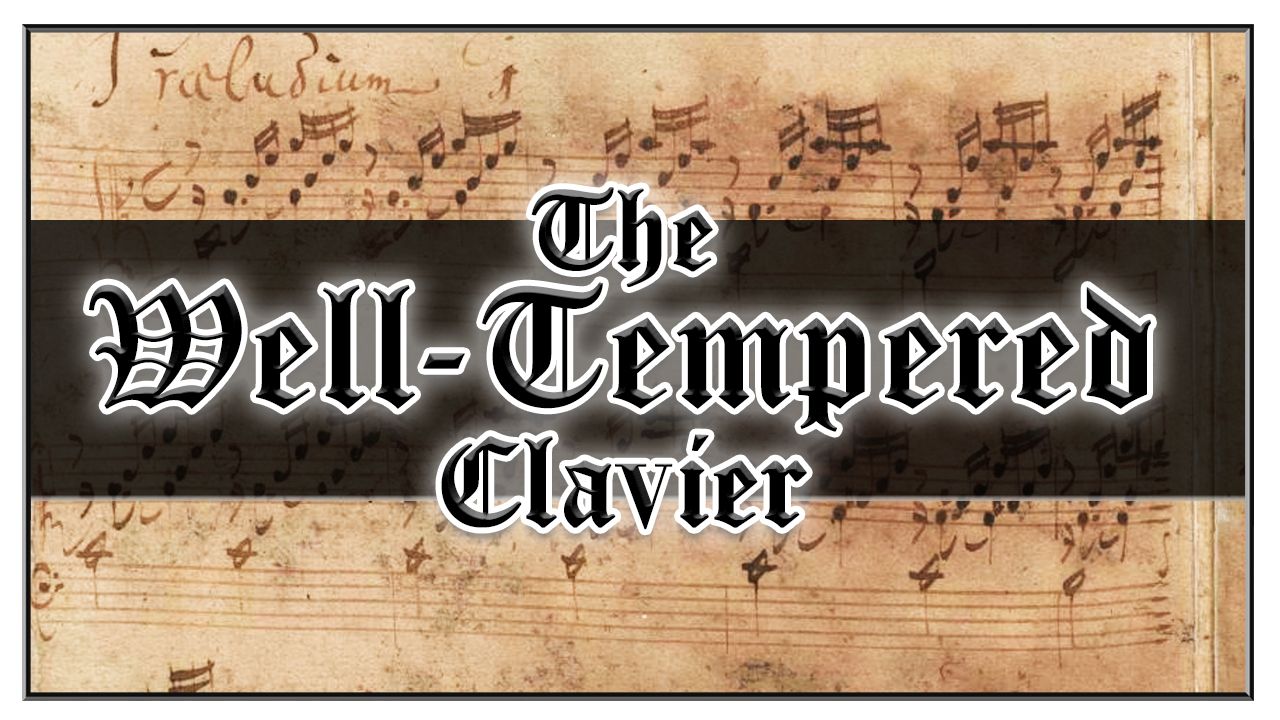
Bach’s Well-Tempered Clavier is an encyclopedic education in twenty-four major and minor keys. Beethoven studied it in childhood under Christian Gottlob Neefe, carrying Bach’s compositional language into the repertoire that followed.
The deepest optional layer grows from Mr. Zach’s original research into the possibility that Bach infused the WTC with a symbolic vocabulary connected to Genesis—sometimes making a piece unfold like a theological meditation or musical sermon—and that Beethoven later used elements of that vocabulary to create stories of his own. Score-based observation, historical evidence, interpretation, and developing hypothesis remain clearly distinguished.
Current Class Openings
Choose any available Classical Piano / Masterworks class time
All times are Eastern. Masterworks students may join any available live class below. Small groups may include students at different levels, with instruction and repertoire adjusted to each student. Classes are limited to five students or fewer, and availability may change as families register.
Monday
- 1:00 PM — FULL
- 1:30 PM — 4 seats left
- 5:00 PM — 3 seats left
- 5:30 PM — 1 seat left
- 6:00 PM — NEW
- 6:30 PM — NEW
Tuesday
- 1:00 PM — FULL
- 1:30 PM — NEW
- 5:00 PM — 2 seats left
- 5:30 PM — 4 seats left
- 6:00 PM — 4 seats left
- 6:30 PM — 4 seats left
Wednesday
- 1:00 PM — FULL
- 1:30 PM — NEW
- 5:00 PM — 3 seats left
- 5:30 PM — 2 seats left
- 6:00 PM — 2 seats left
- 6:30 PM — 2 seats left
Thursday
- 1:00 PM — FULL
- 1:30 PM — FULL
- 5:00 PM — 2 seats left
- 5:30 PM — 1 seat left
- 6:00 PM — 1 seat left
- 6:30 PM — 3 seats left
Choose your primary enrollment path
Start with weekly live guidance, a flexible family/two-class plan, or the complete virtual course suite. Every option opens the Classical Piano: Foundations to Masterworks pathway.
Not sure which Classical Piano pathway fits?
Tell me about the student—or your own experience, goals, repertoire, and schedule. I’ll personally respond within 24 hours with relevant program and placement options.
Inquire About Program OptionsFlagship Course Entry Points
Begin with one great work, then grow into the larger pathway
These focused courses provide concrete entry points into Zach’s world of performance, analysis, composition, and musical symbolism.
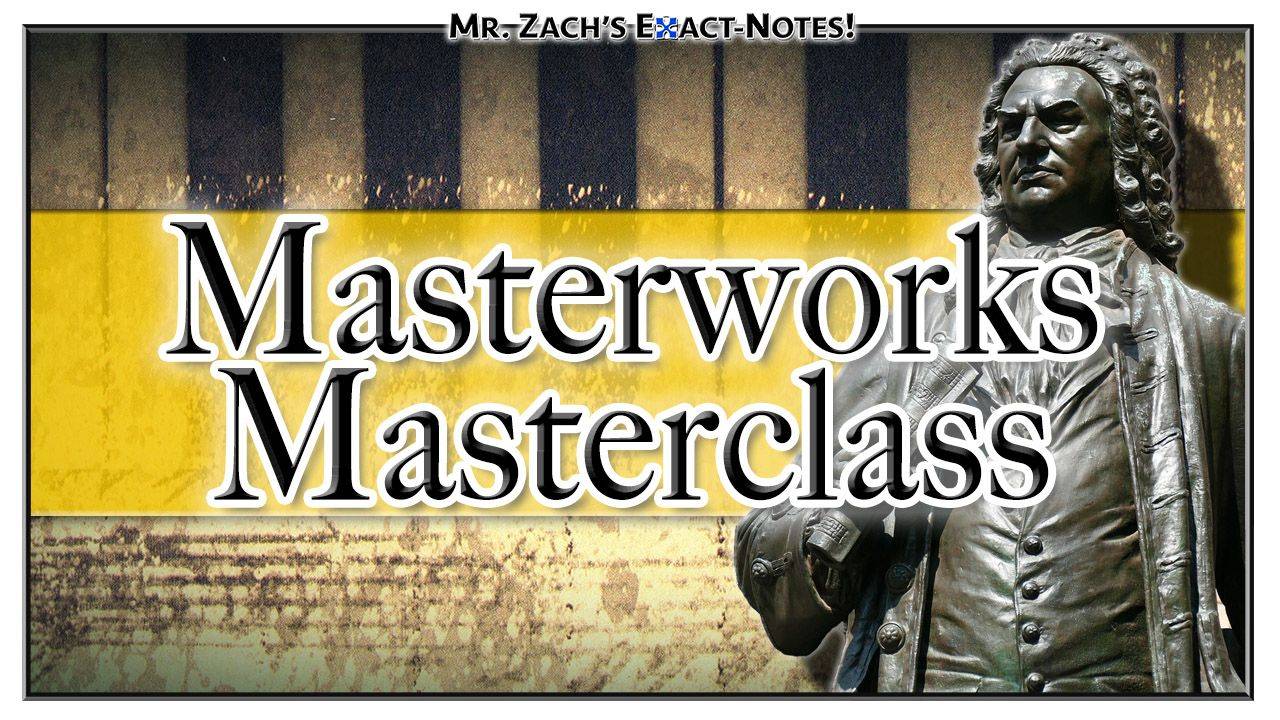
Bach: The Well-Tempered Clavier
Foundation through advanced study
Begin with approachable preludes, then discover an ordered world of twenty-four keys, counterpoint, recurring gestures, compositional craft, and the musical foundation that helped shape Beethoven.
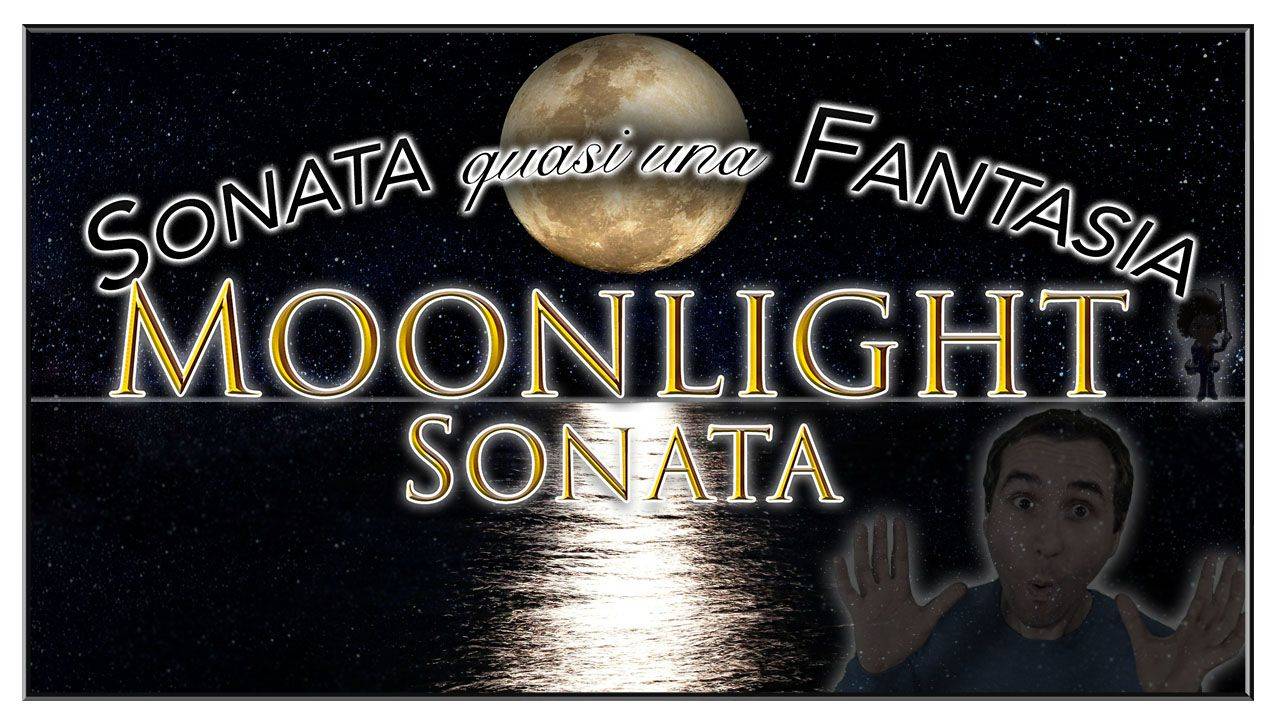
Beethoven: Moonlight Sonata
Upper beginner through intermediate
First balance the wave-like accompaniment and distant melodic voice; then explore voicing, atmosphere, historical descriptions, and interpretive questions about night, depth, chaos, and order.
Beethoven: Für Elise
Upper beginner through intermediate
Learn the complete piece section by section while noticing recurring names, gestures, finger patterns, contrasts, and the evidence behind possible stories of love, loss, memory, and hope.
Placement Before Enrollment
Begin with the right music and the right level
Preview the course suite on your own, or meet privately with Zach in a free one-on-one startup session to discuss your goals and receive a personalized placement recommendation.
Free Bach Prelude in C Sampler
Try three real Masterworks lessons, then print the matching four-page learning pack.
Free one-on-one startup session
Meet privately with Zach to discuss your experience and goals, identify a suitable starting level, and receive a practical recommendation for repertoire and the best next step.
Pedagogy • Performance • Composition • Research
Two decades of teaching, composition, and musical research
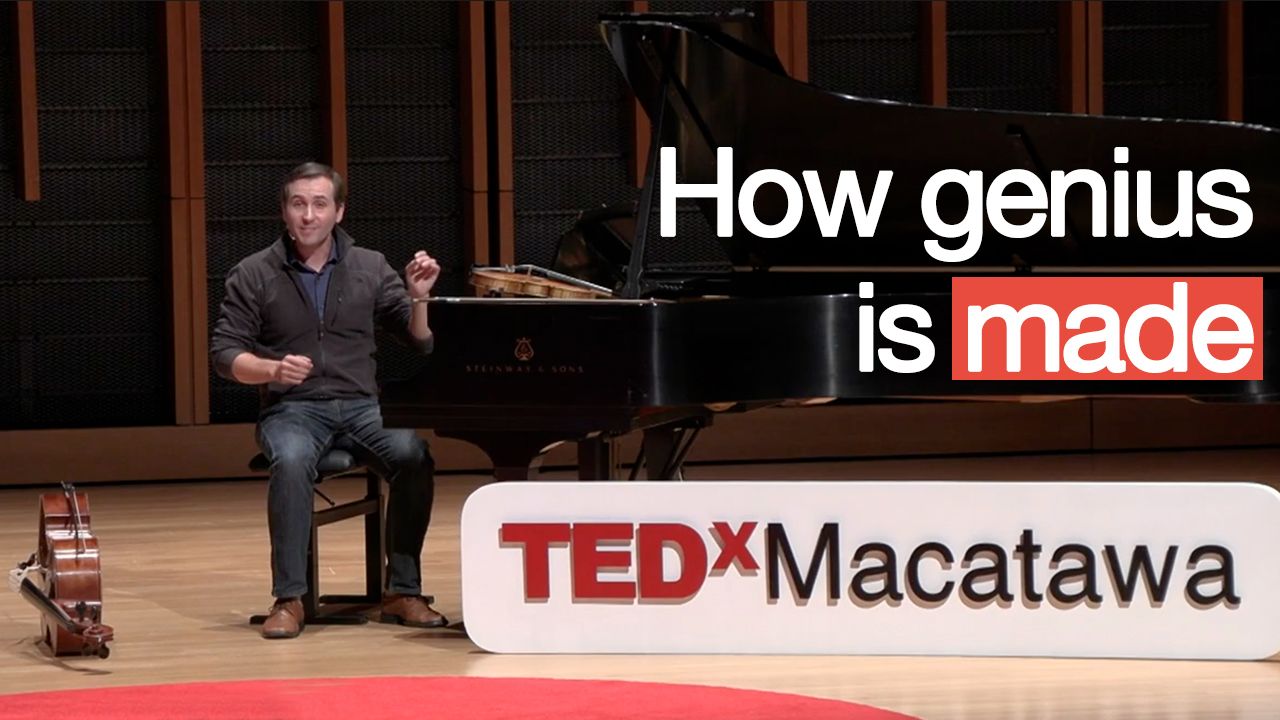
Zach Tolan has taught since 2002 and led 60,000+ lessons and classes. He created the patented Exact Notes™ notation system and wrote Kids Piano! Volumes 1–3.
His teaching joins practical score reading and performance with close attention to structure and meaning—always distinguishing what can be observed from what is interpreted.
What Students and Families Are Saying
Music feels different when students can hear what is inside it
“I had no idea there was a story in Für Elise. I’ll never hear that piece the same way again.”
— Michelle V.
“We have been playing the piano almost nonstop all day! It’s a good thing we have two pianos!”
— Cathy D.
“My husband and I are both classically trained musicians, and we love how you incorporate theory and discussions about the songs you’re teaching.”
— Julia S.
Frequently asked questions
Who is Classical Piano for?
Do I need previous piano experience?
What repertoire do students study?
Can I use standard notation?
When do live classes meet?
What instrument and technology do I need?
Can I cancel a monthly plan?
Is musical symbolism required?
What makes this different from ordinary online piano lessons?
Now Enrolling
Play the music. Understand the language. Make it your own.
Choose self-paced study or add a weekly live class, starting at the level that fits you now.